
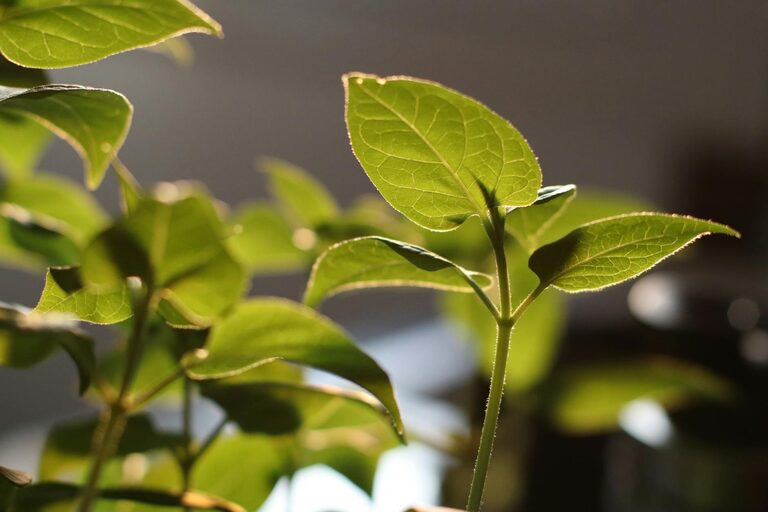
Bringing houseplants into your home can brighten up any space and improve air quality. However, keeping these green companions healthy requires some care and attention. Whether you’re a seasoned plant enthusiast or a beginner, understanding the basics of plant care can help your indoor garden thrive.
Why Houseplant Care Matters
Houseplants vary widely in their needs, but all require consistent attention to thrive. Proper care ensures plants grow strong, resist pests, and maintain their decorative appeal over time. Neglect or improper care can lead to yellowing leaves, stunted growth, or even plant death.
Choosing the Right Plants for Your Space
Before diving into daily care, choose plants that suit your home’s environment.
– Light Availability: Some plants thrive in bright, direct sunlight (like succulents), while others prefer low or indirect light (like pothos or snake plants). Assess your space and select accordingly.
– Humidity and Temperature: Tropical plants often require higher humidity, while desert plants prefer dry air. Consider your home’s natural conditions.
– Maintenance Level: Some plants need frequent watering and pruning, while others are low-maintenance. Pick plants that match your lifestyle.
Key Tips for Keeping Houseplants Healthy
1. Proper Watering Practices
Watering is one of the most important aspects of plant care, but it’s often misunderstood.
– Check soil moisture: Before watering, touch the soil. Most plants prefer the top inch or two to dry out before the next watering.
– Avoid overwatering: This is a common cause of root rot. Ensure pots have drainage holes to allow excess water to escape.
– Use room temperature water: Cold water can shock roots.
– Adjust watering frequency: Season, plant type, pot size, and indoor climate can affect how often your plant needs water.
2. Ensure Adequate Lighting
Plants need light to photosynthesize and grow.
– Rotate plants regularly: This ensures all sides receive light evenly and grow symmetrically.
– Use supplemental lighting: For rooms with limited natural light, consider grow lights designed for indoor plants.
– Watch for signs of too much or too little light: Yellowing or burnt leaves often mean too much light; leggy, stretched growth usually means too little.
3. Maintain Proper Humidity Levels
Many houseplants thrive with higher humidity than is typical in most homes, especially during winter when heating systems dry out the air.
– Group plants together: This helps create a microenvironment with higher humidity.
– Use humidity trays: Placing plants on trays filled with water and pebbles increases moisture around them.
– Misting: Lightly mist plants with water, but avoid consistently wetting leaves which could lead to fungal issues.
4. Feed Your Plants Regularly
Plants can deplete nutrients in their soil over time.
– Use balanced fertilizers: Choose one that suits your plant type—generally, a balanced fertilizer with equal parts nitrogen, phosphorus, and potassium works well.
– Follow package instructions: Over-fertilizing can harm plants.
– Adjust feeding frequency: During active growing seasons (spring and summer), feed plants every 2–4 weeks; reduce or stop feeding during dormancy in fall and winter.
5. Prune and Clean Plants
Keeping plants well-groomed encourages healthy growth and prevents disease.
– Remove dead or yellow leaves: These can attract pests or diseases.
– Trim leggy growth: Regular pruning encourages bushier, fuller plants.
– Clean leaves: Dust and dirt can block light absorption—wipe leaves gently with a damp cloth or give your plants a shower.
6. Repot When Necessary
As plants grow, they may outgrow their pots or the soil quality may degrade.
– Signs to repot: Roots growing out of drainage holes, soil drying too quickly, or stunted growth.
– Choose the right pot size: Select a pot that is 1–2 inches larger in diameter than the current one.
– Use fresh potting soil: This replenishes nutrients and improves drainage.
Additional Tips for Specific Plant Types
Succulents and Cacti
– Prefer bright light and infrequent watering.
– Use well-draining, sandy soil.
– Avoid water sitting in the rosette or on leaves.
Tropical Plants (e.g., Monstera, Philodendron)
– Enjoy indirect light and higher humidity.
– Water when the top soil feels dry but keep soil consistently moist.
– Wipe leaves occasionally to remove dust.
Ferns
– Need high humidity and indirect light.
– Keep soil evenly moist but not soggy.
– Mist frequently to maintain humidity.
Troubleshooting Common Problems
– Yellowing leaves: May indicate overwatering, nutrient deficiency, or too much direct sun.
– Brown leaf edges: Often caused by low humidity or inconsistent watering.
– Pests: Spider mites, aphids, and mealybugs are common. Wipe leaves, use insecticidal soap, or introduce natural predators.
Final Thoughts: Consistency is Key
Healthy houseplants thrive on consistent care. Establish a routine for watering, feeding, and checking on your plants. Keep an eye on their environment and adjust care as needed. With attention and patience, your indoor garden will flourish and add beauty to your home for years to come.
Happy planting!